Prescription Required
Prescription Required
Product information shown is based on our catalogue.
Prescription Medicines
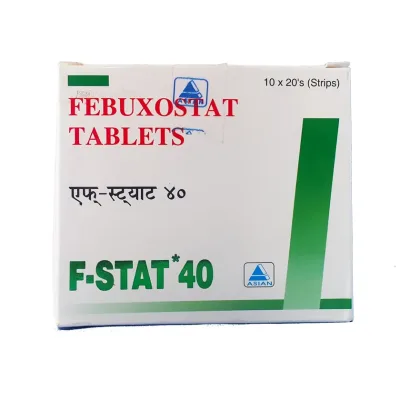
F-STAT 40
Febuxostat
40 mg
Current Price
NPR
100.00
In Stock
10 available
Product Information
Brand
Nepal Mfg
Manufacturer
Asian Pharmaceuticals Pvt Ltd
Therapeutic Class
Analgesic, Non-Steroidal Anti-inflammatory Drugs (NSAIDs)
Dosage Form
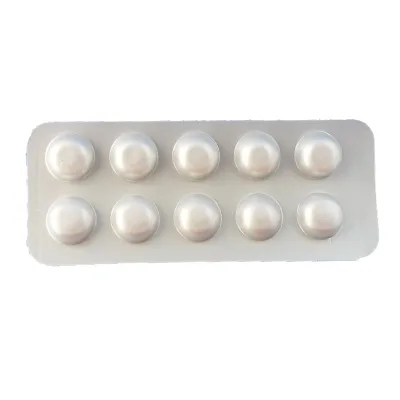
Tablet
Pack Size
10.000
Unit
Strip
(strip)
SKU
NDH-FST2004
Prescription may be required
This product is marked as requiring a
prescription. Please follow applicable
pharmacy requirements before ordering.
Ready to order?
Choose your quantity and add this product to your shopping cart.
Quantity
Maximum:
10 available
Current cart subtotal
NPR 0.00
About This Product
Product description
Febuxostat – Overview
Febuxostat is an oral medication used to lower elevated uric acid levels in the blood. It belongs to a group of medicines called **xanthine oxidase inhibitors** and is mainly used for the long-term management of **hyperuricemia associated with gout**. By lowering uric acid levels, febuxostat helps prevent recurrent gout attacks and complications caused by the long-term accumulation of urate crystals.
**Mechanism of Action**
Febuxostat works by selectively inhibiting the enzyme **xanthine oxidase**, which plays an important role in the production of uric acid. Normally, purines are metabolized to hypoxanthine and then xanthine, which are subsequently converted into uric acid by xanthine oxidase. Febuxostat blocks this enzyme and therefore reduces the production of uric acid, resulting in lower serum urate levels.
**Uses and Treatment Goal**
Febuxostat is primarily used as a **long-term urate-lowering therapy for gout**. It may be considered in patients who do not achieve adequate uric acid control with allopurinol or who cannot tolerate allopurinol. The usual treatment goal is to maintain serum uric acid below **6 mg/dL (360 µmol/L)**. In patients with severe gout or tophi, a lower target may sometimes be considered.
Febuxostat is not primarily a medicine for immediate relief of pain during an acute gout attack. In fact, starting urate-lowering treatment can temporarily increase the risk of gout flares as urate deposits begin to change. For this reason, healthcare professionals may prescribe anti-inflammatory prophylaxis, such as colchicine or an appropriate NSAID, when initiating therapy.
**Dosage**
Febuxostat is commonly started at **40 mg once daily**, with the dose adjusted according to the patient's serum uric acid level and clinical response. The appropriate dose may vary depending on the patient's clinical condition, kidney and liver function, other medications, and local prescribing guidelines.
**Adverse Effects**
Febuxostat is generally well tolerated, but some patients may experience adverse effects. Commonly reported effects include **nausea, diarrhea, headache, skin rash, and abnormalities in liver function tests**. Patients should seek medical attention if they develop a severe skin reaction, signs of hypersensitivity, or symptoms suggestive of liver injury.
**Cardiovascular Considerations**
Cardiovascular safety is an important consideration with febuxostat. Clinical studies have evaluated the cardiovascular outcomes associated with febuxostat, and recommendations can vary between regulatory authorities. Therefore, the patient's cardiovascular history should be considered before and during treatment, particularly in patients with established cardiovascular disease.
Drug Interactions
Febuxostat has an important interaction with azathioprine and mercaptopurine. Because febuxostat inhibits xanthine oxidase, it can significantly increase the exposure to these medicines and potentially cause serious toxicity. Their concomitant use is generally contraindicated.
**Use in Kidney and Liver Problems**
Febuxostat can be useful in some patients with impaired kidney function, but the appropriate dose and monitoring depend on the severity of renal impairment and the specific product information. Liver function should also be considered, and monitoring may be recommended during treatment, particularly when clinically indicated.
**Monitoring**
During febuxostat therapy, **serum uric acid levels** are monitored to determine whether the treatment is achieving the desired target. Liver function may also be monitored, and patients should be assessed for gout flares, skin reactions, hypersensitivity, cardiovascular symptoms, and possible drug interactions.
**Conclusion**
Overall, febuxostat is an effective urate-lowering medicine that reduces the production of uric acid by inhibiting xanthine oxidase. It plays an important role in the long-term management of gout, particularly for patients who cannot tolerate or do not respond adequately to other urate-lowering therapies. Appropriate patient selection, dose adjustment, monitoring, and attention to drug interactions and cardiovascular considerations are important to ensure safe and effective treatment.
Febuxostat is an oral medication used to lower elevated uric acid levels in the blood. It belongs to a group of medicines called **xanthine oxidase inhibitors** and is mainly used for the long-term management of **hyperuricemia associated with gout**. By lowering uric acid levels, febuxostat helps prevent recurrent gout attacks and complications caused by the long-term accumulation of urate crystals.
**Mechanism of Action**
Febuxostat works by selectively inhibiting the enzyme **xanthine oxidase**, which plays an important role in the production of uric acid. Normally, purines are metabolized to hypoxanthine and then xanthine, which are subsequently converted into uric acid by xanthine oxidase. Febuxostat blocks this enzyme and therefore reduces the production of uric acid, resulting in lower serum urate levels.
**Uses and Treatment Goal**
Febuxostat is primarily used as a **long-term urate-lowering therapy for gout**. It may be considered in patients who do not achieve adequate uric acid control with allopurinol or who cannot tolerate allopurinol. The usual treatment goal is to maintain serum uric acid below **6 mg/dL (360 µmol/L)**. In patients with severe gout or tophi, a lower target may sometimes be considered.
Febuxostat is not primarily a medicine for immediate relief of pain during an acute gout attack. In fact, starting urate-lowering treatment can temporarily increase the risk of gout flares as urate deposits begin to change. For this reason, healthcare professionals may prescribe anti-inflammatory prophylaxis, such as colchicine or an appropriate NSAID, when initiating therapy.
**Dosage**
Febuxostat is commonly started at **40 mg once daily**, with the dose adjusted according to the patient's serum uric acid level and clinical response. The appropriate dose may vary depending on the patient's clinical condition, kidney and liver function, other medications, and local prescribing guidelines.
**Adverse Effects**
Febuxostat is generally well tolerated, but some patients may experience adverse effects. Commonly reported effects include **nausea, diarrhea, headache, skin rash, and abnormalities in liver function tests**. Patients should seek medical attention if they develop a severe skin reaction, signs of hypersensitivity, or symptoms suggestive of liver injury.
**Cardiovascular Considerations**
Cardiovascular safety is an important consideration with febuxostat. Clinical studies have evaluated the cardiovascular outcomes associated with febuxostat, and recommendations can vary between regulatory authorities. Therefore, the patient's cardiovascular history should be considered before and during treatment, particularly in patients with established cardiovascular disease.
Drug Interactions
Febuxostat has an important interaction with azathioprine and mercaptopurine. Because febuxostat inhibits xanthine oxidase, it can significantly increase the exposure to these medicines and potentially cause serious toxicity. Their concomitant use is generally contraindicated.
**Use in Kidney and Liver Problems**
Febuxostat can be useful in some patients with impaired kidney function, but the appropriate dose and monitoring depend on the severity of renal impairment and the specific product information. Liver function should also be considered, and monitoring may be recommended during treatment, particularly when clinically indicated.
**Monitoring**
During febuxostat therapy, **serum uric acid levels** are monitored to determine whether the treatment is achieving the desired target. Liver function may also be monitored, and patients should be assessed for gout flares, skin reactions, hypersensitivity, cardiovascular symptoms, and possible drug interactions.
**Conclusion**
Overall, febuxostat is an effective urate-lowering medicine that reduces the production of uric acid by inhibiting xanthine oxidase. It plays an important role in the long-term management of gout, particularly for patients who cannot tolerate or do not respond adequately to other urate-lowering therapies. Appropriate patient selection, dose adjustment, monitoring, and attention to drug interactions and cardiovascular considerations are important to ensure safe and effective treatment.
Need help with this product?
If you have questions about a medicine or healthcare product, contact our pharmacy team before ordering.